

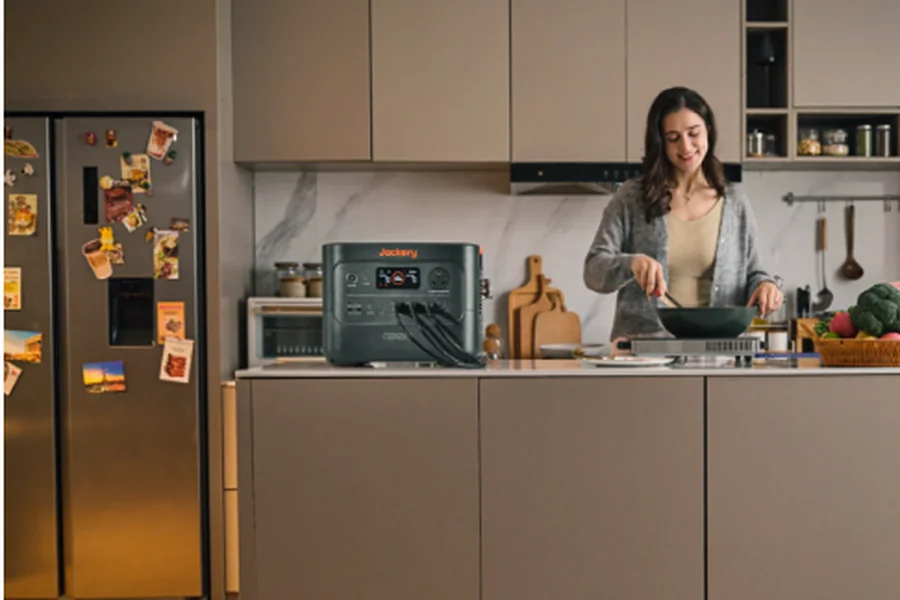
Imagine the scene: It’s a sweltering August afternoon, and the air conditioner is a welcome hum in the background. You’re in the middle of a critical video conference for work, and the refrigerator is stocked with a week’s worth of groceries. Suddenly, the lights flicker, and an abrupt silence descends. This isn’t a random downed power line; it’s a planned, deliberate shutdown. This is a rolling blackout, and it’s a scenario playing out in an increasing number of American homes.
The era of assuming that power will always be on is over. The grid that once seemed infallible is now showing its age and vulnerability. For millions, a stable power supply is no longer a guarantee but a managed commodity, forcing a shift in how we think about home preparedness. This guide is designed to serve as your definitive resource for navigating this new reality. We will explore the complex factors that cause power outages, detail the true costs of being left in the dark, and provide a clear, actionable roadmap to ensure your home remains a beacon of light and connectivity. The goal is not just to survive a rolling blackout but to achieve true energy independence with a solar-powered generator.
What are Rolling Blackouts and Why Are They on the Rise?
To effectively prepare for power outages, it’s crucial to first understand what they are and the forces driving their increased frequency. A rolling blackout is not an accident; it is an intentional, engineered electricity shutdown initiated by a utility company. This controlled emergency procedure, also known as “load shedding,” is a last-resort measure to prevent a catastrophic, system-wide collapse of the entire power grid. Utilities implement them by cyclically cutting power to different areas for scheduled, brief periods, typically one to two hours at a time. The primary objective is to manage the delicate balance between electricity supply and demand. When demand surges past the available supply, it can cause a drop in the grid’s operating frequency, risking severe damage to critical infrastructure. A rolling blackout acts as a safety valve, protecting the larger system and ensuring that essential services like hospitals maintain power by sacrificing electricity to a small portion of users temporarily.
It’s also important to distinguish a rolling blackout from other types of power interruptions:
- Brownouts: A brownout is a reduction in voltage, not a complete shutdown. This may cause your lights to dim, but the power is still technically on. A rolling blackout is a total cessation of power to an area.
- Public Safety Power Shutoffs (PSPS): A PSPS event is a proactive measure driven by wildfire risk, not electricity demand. During periods of high winds and dry conditions, utilities will intentionally de-energize power lines to prevent their equipment from sparking and causing a fire. This is a critical distinction because a PSPS can last for several days, not just a few hours.
So, what causes power outages of this nature to become more common? It’s not one single factor but a perfect storm of converging challenges.
1. Aging Infrastructure Meets Extreme Weather
The American power grid is a marvel of 20th-century engineering, but it is struggling to meet 21st-century demands. Much of its equipment is decades old and was never designed for the sustained, high-intensity stress of modern life and a changing climate. Climate change acts as a significant threat multiplier, pushing this aging system to its breaking point. Record-breaking heatwaves cause millions of air conditioners to turn on simultaneously, while severe winter storms create similar surges for heating systems. These massive, synchronized spikes in demand can easily overwhelm the grid’s capacity. The California blackouts in 2020 and the Texas winter storm crisis in 2021 are stark examples of this vulnerability in action.
2. The Challenge of Renewables
The necessary transition to clean energy sources like solar and wind introduces new grid management challenges. While essential for the environment, these sources are intermittent. Solar power generation peaks mid-day and then drops off sharply just as the sun sets. This timing is problematic because it coincides with the evening hours when people return home from work and residential electricity demand hits its daily peak. This creates a daily supply-demand gap that the grid struggles to fill without adequate energy storage solutions, such as large-scale batteries.
3. Surging Demand
The problem of grid strain is set to intensify dramatically. A recent report from the U.S. Department of Energy (DOE) issued a stark warning about the explosive growth of high-consumption AI data centers and widespread electrification, including the adoption of electric vehicles. This growth is creating “a surge in electricity disruptions and a growing mismatch between electricity supply and demand”. The report projects that without significant intervention, the risk of blackouts could increase a hundredfold by 2030, with average annual outage hours potentially soaring from single digits to over 800. These factors combined signal a fundamental shift in our relationship with energy. The grid is moving from a “never fail” philosophy to one of “graceful degradation,” where managing scarcity through controlled blackouts is preferable to a widespread, uncontrolled collapse. This places the burden of preparedness directly on the consumer as never before.
The Real Cost of a Power Outage: Why Preparation is No Longer Optional
The consequences of a rolling blackout extend far beyond simple inconvenience. For many, they represent a multifaceted crisis impacting health, finances, and psychological well-being.
- Health and Safety at Risk: For millions of Americans, an uninterrupted power supply is a literal lifeline. Power outages pose a mortal threat to individuals who rely on powered medical devices such as CPAP machines, oxygen concentrators, and ventilators. A 2023 U.S. Housing Survey revealed that of the 14.5 million households with such devices, nearly one-third had experienced a power outage. Furthermore, medications that require refrigeration, like insulin, can quickly spoil and become ineffective, posing both a health risk and a financial loss. Beyond medical needs, a lack of power exposes households to dangerous temperatures. During a heatwave, the absence of air conditioning can lead to heatstroke and other heat-related illnesses, especially for the elderly and young children. In winter, a powerless home can lead to frozen pipes, which can burst and cause thousands of dollars in water damage.
- Significant Financial Losses: The financial toll of an outage can be substantial. The U.S. Food and Drug Administration (FDA) advises that a refrigerator will only keep food at a safe temperature for about four hours without power. For an outage lasting a day or more, a fully stocked fridge and freezer can mean hundreds of dollars in lost groceries. In our modern work-from-home economy, a power outage is a productivity killer. It translates to lost wages for hourly workers and missed deadlines and business opportunities for salaried professionals. The U.S. Housing Survey reported that 2.4 million households had a member miss work due to a power outage. Finally, when power is restored, it can create a sudden voltage spike, or power surge, that can damage or destroy sensitive and expensive electronics like computers, televisions, and smart home devices.
- The Disruption of Modern Life: Power outages sever our digital tethers to the world. The inability to charge phones, laptops, and Wi-Fi routers means a loss of communication and access to information. This prevents us from working, learning, receiving emergency alerts, or simply checking in on loved ones. The fundamental routines of modern life—cooking, hot water, lighting, and entertainment—are all dependent on electricity. The disruption of these routines can lead to significant stress, anxiety, and a feeling of powerlessness. This reality highlights a fundamental “preparedness gap”: traditional emergency kits with flashlights and batteries are designed for basic survival, but they fail to address the challenges of the 21st century, like powering medical equipment, maintaining internet connectivity for work, and preventing the loss of expensive food and medicine. This gap can only be bridged with a reliable source of backup power.
Modern Prep: Beyond the Flashlight
The foundation of emergency preparedness remains important; a basic kit with non-perishable food, water, a first-aid kit, and flashlights is essential. However, in a world reliant on connectivity and powered devices, this is only the first step and is no longer sufficient. The single most critical addition to any modern emergency plan is a reliable backup power source for a home source. This is the key to bridging the “preparedness gap” and maintaining safety, productivity, and a sense of normalcy when the grid goes down. When choosing a backup power solution, the decision often comes down to two main options: traditional gas generators and modern solar-powered generators.
1. Gas Generators: The Traditional Choice
For years, gasoline or propane generators have been the go-to option. They are known for high power output capable of running large appliances. However, this power comes with significant and often dangerous drawbacks.
- Deadly Fumes: Gas generators produce toxic carbon monoxide (CO), a colorless, odorless gas that can be fatal. They must be operated outdoors, far away from windows and doors, a requirement that is often impractical and dangerous, especially in severe weather. CO poisoning incidents spike dramatically after major power outages, as people improperly use generators indoors out of desperation.
- Noise and Fuel Dependency: They are incredibly loud, often operating at 60-75 decibels, causing a major disturbance to both the user and their neighbors. They also require a constant supply of gasoline or propane, which can be difficult to obtain during a widespread emergency when gas stations may also be without power. Storing fuel also presents a significant fire hazard.
- High Maintenance: Gas generators have engines with moving parts that require regular maintenance, including oil changes and fuel stabilization, to ensure they will start when needed.
2. Solar Generators: The Safer, Modern Choice
A solar-powered generator represents the future of home backup power, designed to overcome all the major drawbacks of its gas-powered counterpart.
- Clean, Silent, and Safe: This is their most revolutionary advantage. Solar generators produce no emissions, making them completely safe to operate indoors. They run almost silently, eliminating noise pollution. This allows you to place them directly next to your refrigerator or in your home office without running extension cords through open windows in a storm.
- Renewable Energy: A solar-powered generator can be recharged using solar panels, providing a potentially infinite source of free, clean energy from the sun. You are not dependent on a strained fuel supply chain. They can also be charged from a wall outlet before an outage or even from your car. Pairing a generator with a 200-watt solar panel or several panels allows for continuous power during multi-day outages.
- Low Maintenance and Ease of Use: With no engine or moving parts, they are virtually maintenance-free. They feature a simple “plug-and-play” design that is intuitive and ready to go at a moment’s notice.
The choice between gas and solar is more than a technical decision; it’s a decision about safety and lifestyle. A gas generator is a powerful but cumbersome and dangerous tool. For maintaining a normal, safe life inside your home during an outage, a solar-powered generator is the logically superior choice.
The Jackery Solution: Power for Any Situation
Jackery stands at the forefront of portable power, offering a range of solar-powered generator solutions designed to provide safe, reliable backup power for the home in any situation. From short-term rolling blackouts to multi-day emergencies, Jackery has a system tailored to your specific needs, ensuring your life remains uninterrupted.
1. Jackery Solar Generator HomePower 3000
For households seeking a powerful, accessible, and long-lasting solution to common outages, the Jackery Solar Generator HomePower 3000 is the ideal choice. It directly addresses the most immediate stresses of a blackout.
- Keep Essentials Running: With a robust 3072Wh capacity and 3600W output, it powers key appliances like your refrigerator, Wi-Fi, fans, and lights for approximately two days. Say goodbye to spoiled food and blackout stress.
- Always Ready: Thanks to ZeroDrain™ technology, it holds 95% of its charge for a full year. Its 10-year battery life and 5-year warranty make it a dependable investment in your family’s security.
- Portable & Integratable: As the world’s smallest 3kWh LFP generator, it’s easy to move where needed. For seamless integration, it can be connected to your home’s circuits with a manual transfer switch.
2. Jackery Solar Generator 5000 Plus
When preparing for more extreme events like hurricanes, severe thunderstorms, or multi-day blackouts, the Jackery Solar Generator 5000 Plus offers an unparalleled level of energy security.
- Seamless, Uninterrupted Power: The 0ms Uninterruptible Power Supply (UPS) ensures an instantaneous power transition. Your refrigerator, computers, and Zoom calls continue without a single flicker when the grid fails.
- Long-Term Energy Security: Its massive, expandable capacity of 5-60kWh can support multiple devices and essential circuits for up to 30 days, eliminating the fear of a prolonged outage.
- Effortless Home Integration: The optional Smart Transfer Switch automatically powers your essential rooms during an emergency, providing uninterrupted electricity where it matters most without any manual effort.
- Unmatched Power & Versatility: With a 7200-14400W output and 120V/240V dual voltage, it can handle more demanding appliances. Plus, it recharges fully in as little as 1.7 hours, ensuring you’re never without power.
Conclusion
Grid instability is a defining challenge of our time. The forces straining our power infrastructure—from climate change to new technological demands—are immense and growing. While the era of guaranteed, uninterrupted power may be ending, the age of personal energy independence is just beginning. You don’t have to be powerless when the grid fails.
Investing in a reliable backup power for home solution should not be viewed as an expense, but as a critical investment in your family’s safety, security, and continuity of life. A solar-powered generator from Jackery offers a safe, silent, and sustainable way to ensure that when the lights go out everywhere else, yours stay on. It is the modern solution to a modern problem. Be prepared, stay connected, and take control of your power. With Jackery, you are always in charge.