

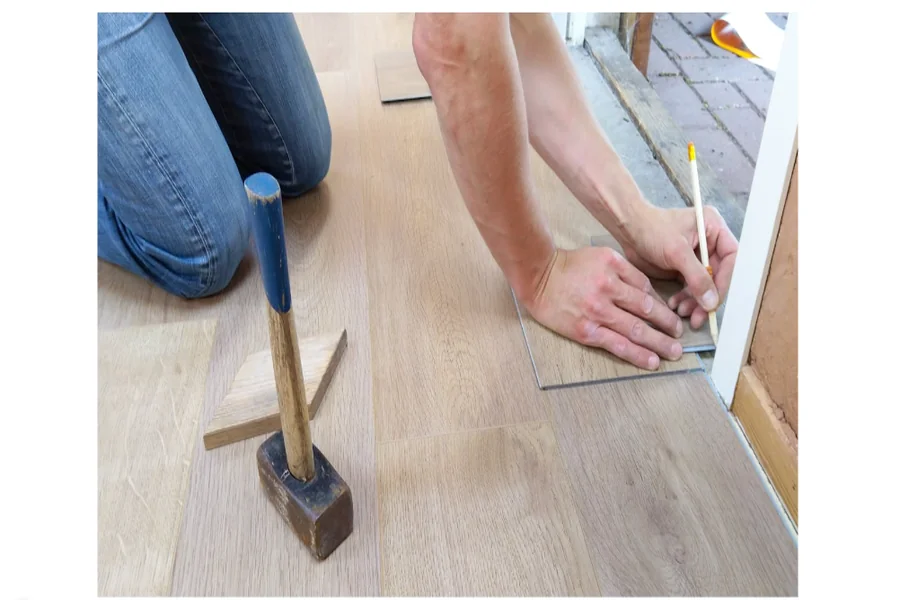
As we navigate through 2025, the home improvement landscape is evolving, reflecting shifts in lifestyle, technology, and design preferences. Homeowners are increasingly seeking spaces that are not only functional and sustainable but also cozy and reflective of personal style. Here’s a comprehensive look at the top home improvement trends shaping this year.
1. Sustainable and Eco-Friendly Upgrades
Sustainability remains at the forefront of home renovations. Homeowners are opting for eco-friendly choices that reduce environmental impact without compromising on style. Popular sustainable features include:
- Low-Flow Fixtures: Upgrading to water-saving faucets, toilets, and showerheads can significantly reduce water consumption and utility bills.
- Tankless Water Heaters: These compact units provide on-demand hot water while consuming less energy.
- Reclaimed Materials: Incorporating reclaimed wood, recycled glass, or cork flooring adds character and reduces waste.
- Solar Panels: Renewable energy sources are a top choice for homeowners looking to minimize their carbon footprint.
These upgrades not only contribute to environmental conservation but also enhance the home’s value and appeal to eco-conscious buyers.
2. Smart Home Technology Integration
The integration of smart technology continues to transform home environments. Homeowners are seeking seamless, intuitive systems that enhance convenience and efficiency. Key smart features gaining popularity include:
- Voice-Controlled Lighting: Allows homeowners to adjust lighting with simple voice commands.
- Wireless Charging Furniture: Furniture pieces equipped with built-in charging stations for electronic devices.
- Hidden Speakers: Discreet audio systems that blend into the home’s design.
- Automated Blinds and Curtains: Window treatments that can be controlled remotely or set on timers.
These advancements are part of a broader trend towards “New Wave Futurism,” where technology is seamlessly integrated into home design without being obtrusive.
3. Multi-Functional Spaces
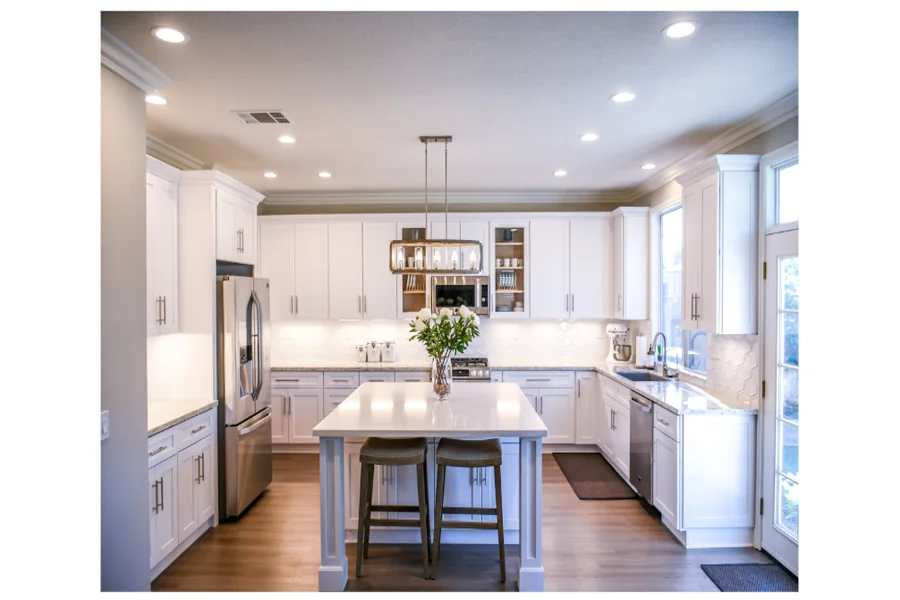
With the rise of remote work and flexible living arrangements, there’s a growing demand for spaces that serve multiple purposes. Homeowners are reimagining their interiors to maximize functionality:
- Home Office/Guest Room Hybrids: Spaces that can easily transition from a workspace to a guest room, often featuring foldable desks or Murphy beds.
- Under-Stair Storage: Utilizing often-overlooked areas for practical storage solutions.
- Convertible Rooms: Rooms equipped with sliding doors or modular furniture that can change the space’s function as needed.
This trend reflects a desire for adaptability and efficiency in home layouts.
4. Warm and Inviting Aesthetics
The trend towards warmer, more inviting interiors is gaining momentum. Homeowners are moving away from cold, industrial designs in favor of spaces that feel cozy and welcoming. Key elements include:
- Natural Materials: The use of reclaimed wood, stone, and clay throughout the home adds warmth and texture.
- Earthy Tones: Colors like terracotta, sage green, and warm beige dominate modern home renovations.
- Layered Textures: Incorporating plush rugs, linen curtains, and woven baskets for added depth.
- Warm Lighting: Replacing harsh, bright lights with softer, adjustable options for a relaxing ambiance.
These design choices aim to create spaces that promote comfort and well-being.
5. Biophilic Design and Indoor-Outdoor Living
Biophilic design, which emphasizes the connection between humans and nature, continues to influence home renovations. Homeowners are incorporating natural elements to enhance their living environments:
- Living Walls and Vertical Gardens: These installations improve air quality while adding visual interest.
- Expanded Window Areas: Maximizing natural light and creating seamless transitions to outdoor spaces.
- Indoor Plants: Strategically placed greenery to bring nature indoors.
This trend reflects a deeper appreciation for how our surroundings affect our mental health and productivity, particularly important as remote and hybrid work arrangements continue to be common.
6. Nostalgic and Retro-Inspired Design
Nostalgia plays a significant role in current design trends. Homeowners are drawing inspiration from past decades to create spaces that evoke a sense of comfort and familiarity:
- 1970s Revival: Incorporating elements like gold-framed mirrors, bold contrasting colors (e.g., mustard yellow, burnt orange, teal), and mixing patterns.
- 1950s Color Palette: Shades like cherry red and butter yellow are making a comeback, adding warmth and energy to interiors.
- 1990s Influences: Features such as tortoiseshell patterns, oversized slipcovered sofas, and rustic chic aesthetics are resurging.
These retro elements are being reimagined to fit modern sensibilities, blending the old with the new.
7. Spa-Inspired Bathrooms and Wet Rooms
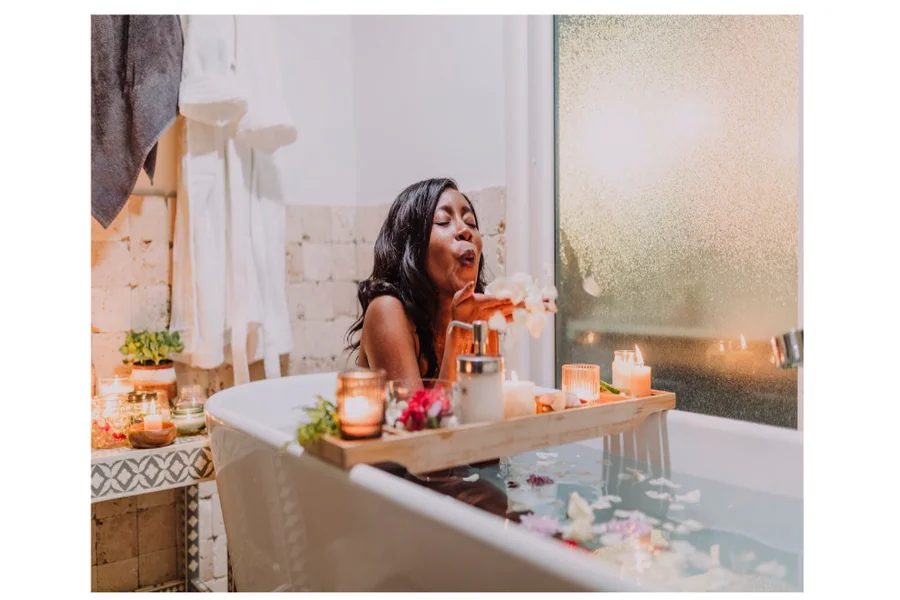
Bathrooms are being transformed into luxurious, spa-like retreats. Many homeowners are investing in bathroom renovation projects to achieve this elevated level of comfort and style. The focus is on creating spaces that promote relaxation and well-being:
- Wet Rooms: Open-concept bathrooms with walk-in showers and freestanding tubs.
- Natural Materials: Use of stone, wood, and other organic materials to create a calming atmosphere.
- Advanced Fixtures: Installation of rain showers, heated floors, and smart mirrors.
This trend reflects a growing desire for personal wellness spaces within the home.
8. Enhanced Outdoor Living Spaces
The importance of outdoor living continues to rise, with homeowners seeking to extend their living areas into the outdoors:
- Deck and Patio Enhancements: Adding built-in seating, fire pits, or pergolas for year-round use.
- Landscaping: Incorporating native plants, water features, or lighting for a cohesive look.
- Outdoor Kitchens: Creating fully functional cooking areas with grills, sinks, and storage.
- Sustainable Elements: Using permeable pavers or recycled materials for eco-friendly outdoor remodeling projects.
These enhancements aim to create inviting outdoor spaces for relaxation and entertainment.
9. Minimalist and Maximalist Design Fusion
Designers are blending elements of both minimalist and maximalist aesthetics to create balanced, personalized spaces:
- Minimaluxe: A style that combines minimalist design principles with luxurious materials and textures.
- Maximalism: Embracing bold colors, patterns, and eclectic furnishings to create vibrant, personalized interiors.
This fusion allows homeowners to express their individuality while maintaining a cohesive design.
10. Durable and Low-Maintenance Materials
Practicality remains a priority in home renovations, with homeowners opting for materials that are both durable and easy to maintain:
- Porcelain Countertops: Heat- and stain-resistant surfaces that can be used indoors and outdoors.
- Tile Flooring: Rich stone looks in varying sizes and shapes, offering durability and style.
- Engineered Materials: Products designed to mimic natural materials while offering enhanced durability and ease of maintenance.
These materials provide long-lasting solutions that withstand the rigors of daily life.
The home improvement trends of 2025 reflect a desire for spaces that are functional, sustainable, and reflective of personal style. Whether you’re considering a major renovation or small updates, these trends offer inspiration to create a home that meets your needs and preferences. Embracing these trends can enhance your living environment, increase your home’s value, and contribute to a more sustainable future.